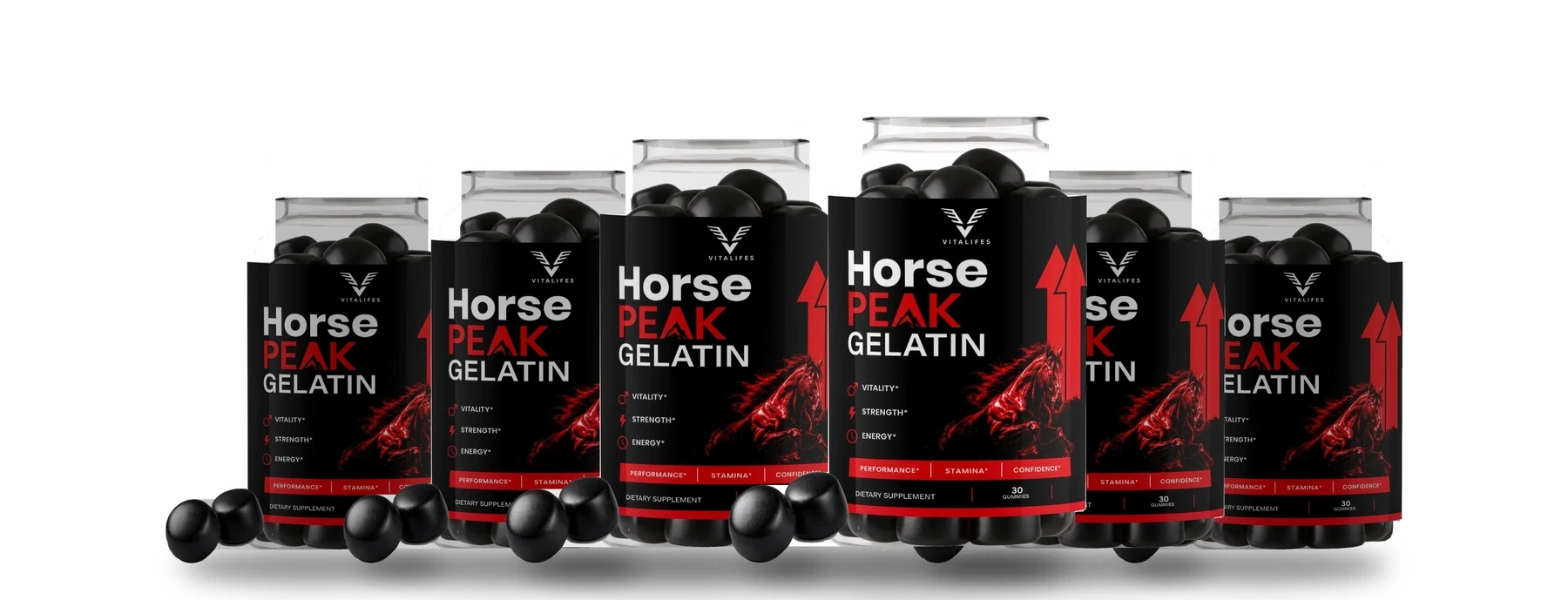
Horse Peak Gelatin Official Website › Blog › Fenugreek And Testosterone
Does Fenugreek Boost Testosterone? The Trials, And 100 Micrograms
Fenugreek is the seed on most men’s health labels and the subject of some of the most searched questions in this aisle. This post takes the trials one at a time, then divides their doses by the 100 micrograms on this panel.
- The best-known trial gave 600 mg a day of a branded seed extract for 12 weeks to 120 men and reported higher testosterone than placebo.
- A 95-man Norwegian trial found plasma rises that disappeared against placebo, and a saliva rise that did not.
- The 2026 pooled analysis found a small effect on total testosterone, nothing dependable on free testosterone, and very low certainty.
- Its authors said current evidence does not support testosterone-boosting claims.
- One day of the 600 mg trial dose equals the fenugreek extract in about two hundred bottles.
What is actually on the panel
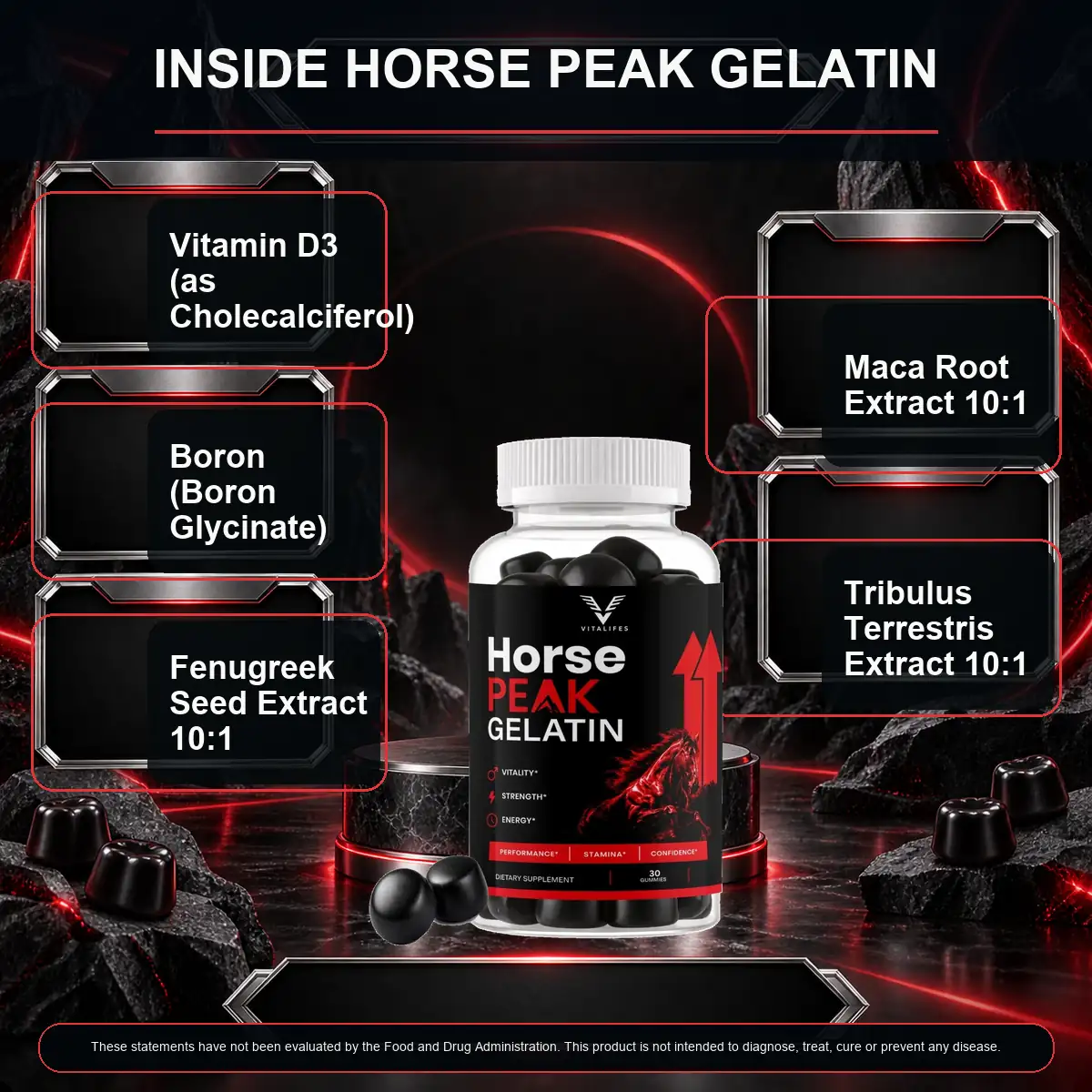
The row reads Fenugreek Seed Extract 10:1 (Trigonella foenum-graecum L.) — 100 mcg, and it is one of the tidier lines on the label. The plant part is named, and it is the seed, which is the part cooks have used in curries and spice blends for a very long time. The Latin binomial in brackets is the correct one for fenugreek, which is worth saying because the tribulus row directly below it repeats the same binomial by mistake. The post on panel contradictions sets that out; this one is about the row that got its Latin right.
A tenth of a milligram is not much of anything, and the rest of this post is about why a plant that appears on so many men’s health labels is present here at such a small weight. It starts with a question people type into search boxes in large numbers, and which deserves a straight answer: does fenugreek boost testosterone?
The short answer, and why it needs three paragraphs
The short answer is: a little, in some trials, at gram-scale doses of particular branded extracts, with results that are uncertain enough that the most recent systematic review this desk could find says the evidence does not support testosterone-boosting claims. That sentence has four qualifications in it. Each one is a place where a marketing page would drop the words and keep the verb, so it is worth taking them in turn, using the trials themselves.
The trial that gets quoted: 600 mg of one extract
The paper behind most fenugreek and testosterone claims is a 2016 randomised, double-blind, placebo-controlled trial of Testofen, a specialised Trigonella foenum-graecum seed extract. It enrolled 120 healthy men aged 43 to 70 and gave them 600 mg a day for 12 weeks. The primary outcome was the Aging Male Symptoms questionnaire, a measure of possible androgen-deficiency symptoms, and secondary outcomes included sexual function and serum testosterone.
The abstract reports that the symptom score fell more in the fenugreek group than in the placebo group, that sexual function improved, including the number of morning erections and the frequency of sexual activity, and that both total and free serum testosterone were higher than placebo after 12 weeks. The authors concluded that the extract is a safe and effective treatment for reducing symptoms of possible androgen deficiency, improving sexual function and increasing testosterone in healthy middle-aged and older men.
It is a properly designed trial and its result should not be waved away. Three things limit how far it travels, though. It is a single trial of a single branded, specialised extract, and the label on this bottle names a generic 10:1 seed extract. It lasted twelve weeks. And the pooled analyses further down find a smaller effect than a headline built on this one trial would suggest, which is where the other trials come in.
The Norwegian trial that half-agrees
A 2024 trial from Oslo randomised 95 men aged 40 to 80 to a placebo or to three doses of a fenugreek extract, 600, 1,200 or 1,800 mg a day, taken as three tablets daily for 12 weeks. It measured testosterone in plasma and in saliva, and it had the good manners to report every comparison.
| Measure | Against their own baseline | Against placebo |
|---|---|---|
| Plasma total testosterone, any dose | Up 13.0 per cent | Up 9.0 per cent, but not statistically significant (p = 0.122) |
| Free testosterone index, any dose | Up 16.3 per cent | Up 11.3 per cent, but not statistically significant (p = 0.059) |
| Saliva testosterone, any dose | Up 31.1 per cent | Up 37.2 per cent, statistically significant (p = 0.042) |
From the abstract of Lee-Ødegård, Gundersen and Drevon, 2024. Percentages are as reported by the authors.
Read down the middle column and it looks like a triumph. Read down the right column and most of it evaporates, which is the reason you always ask for the comparison with placebo. The one clean win against placebo was in saliva, which the authors argue is a better way to measure free testosterone. At the top dose of 1,800 mg the authors report a 12.2 per cent higher free testosterone index (p = 0.025) and a 19.6 per cent higher saliva testosterone (p = 0.006); the abstract does not spell out the comparator for those two figures, so this desk quotes them without leaning on them. The authors reported no subjective effects and no side effects.
Two details in the abstract deserve a mention because they change how the result reads. The tablets contained the fenugreek extract “and essential nutrients,” and the authors confirmed that participants were taking them by measuring a rise in plasma 25-hydroxyvitamin D3. The natural inference is that vitamin D was among the other ingredients, which means the trial was not a test of fenugreek alone. The paper also discloses that the funding came from a commercial source and that two of the authors hold stock or executive roles in the company that ran the laboratory work. That does not invalidate anything, and it is the kind of sentence a reader is entitled to see.
What the pooled analyses say
When several small trials disagree, the usual move is to combine them. Two recent papers have done exactly that for fenugreek, and their conclusions are less generous than the headlines they get.
| Analysis | What it pooled | Total testosterone | Free testosterone |
|---|---|---|---|
| Isenmann and colleagues, 2023 | 7 studies, 449 participants, 378 of them male, focused on strength and body composition | Small effect, standardised mean difference 0.32 (95% CI 0.09 to 0.55) | Not statistically distinguishable from zero, 0.24 (95% CI −0.04 to 0.52) |
| Yang and colleagues, 2026 | 13 randomised placebo-controlled trials in adult men | Small favourable effect, 0.25 (95% CI 0.02 to 0.48), six studies | Imprecise and heterogeneous, 0.08 (95% CI −0.48 to 0.63), five studies |
Sources: Isenmann 2023 and Yang 2026. A standardised mean difference of 0.2 is conventionally called small.
Both analyses find a small pooled effect on total testosterone and neither finds a dependable one on free testosterone, the fraction that is actually available to tissues. The 2026 analysis is the more cautious of the two. Of its 13 included studies, 11 were judged as having some concerns about bias and two as high risk, and none as low risk overall. The certainty of evidence for both testosterone outcomes was graded very low. Its authors concluded that oral fenugreek preparations may be associated with a small favourable effect on total testosterone, that the evidence is very uncertain, and that current evidence does not support clinical or commercial testosterone-boosting claims.
There is a small signal on total testosterone, a shaky one on free testosterone, and a body of trials too small and too biased to build a claim on. Both things are true at once.
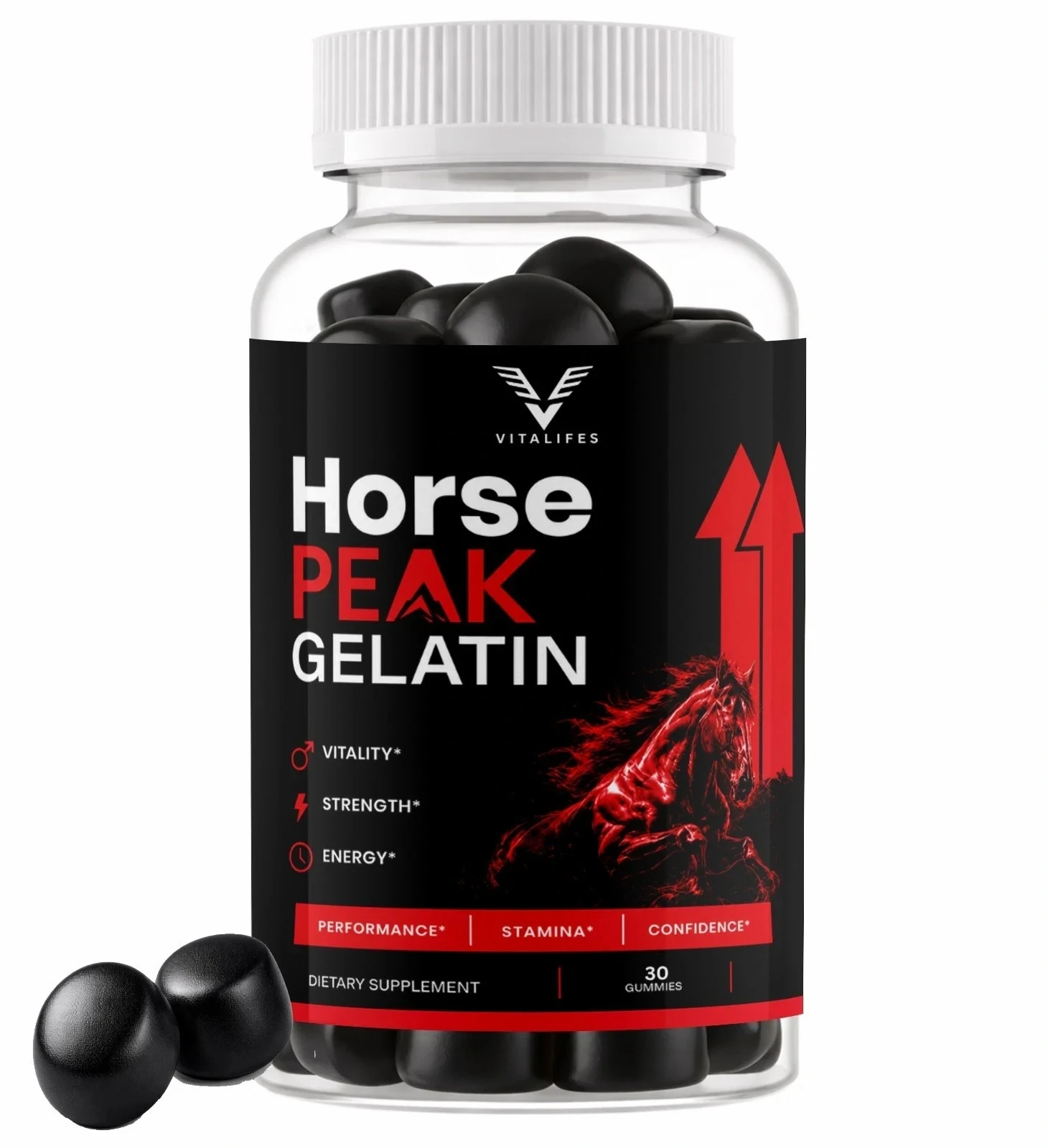
Order Horse Peak Gelatin with the fenugreek row read for what it is
The seed named, the binomial correct and the weight printed, so the research can be set beside it.
Two bottles $158 · six bottles $294 · 60-day money-back guarantee
Order Horse Peak Gelatin On The Official WebsiteOne gummy a day · 30 on the bottle front · lot HOR-26/GO-6588
The arithmetic against this label
Now the division. The label prints 100 micrograms, and one milligram is a thousand micrograms, so the row is a tenth of a milligram.
| Trial | Daily amount of extract | Label’s 100 mcg as a fraction of it |
|---|---|---|
| Rao 2016, Testofen | 600 mg | About one 6,000th |
| Lee-Ødegård 2024, low dose | 600 mg | About one 6,000th |
| Lee-Ødegård 2024, middle dose | 1,200 mg | About one 12,000th |
| Lee-Ødegård 2024, high dose | 1,800 mg | About one 18,000th |
Weight against weight, from the printed label and the doses stated in the abstracts.
A bottle holds thirty gummies, so it holds about three milligrams of fenugreek extract in total. The 600 mg of the Testofen trial is what you would get from roughly two hundred bottles, in one day. Even the most forgiving reading of the 10:1 ratio, in which 100 micrograms of extract stands for a milligram of seed, does not close the gap, because the trials used specialised extracts whose seed-to-extract ratio the abstracts do not give.
None of this is hidden and none of it is a trick. It is what happens when a chewable is asked to carry a plant that trials dosed in the hundreds of milligrams. The supplement facts page prints the row as it is, and the reasons a label carries a token amount are covered in the ingredients page.
Fenugreek’s other reputation, and a couple of cautions
Fenugreek is better known in the research literature for blood sugar than for testosterone. A 2023 systematic review and meta-analysis of randomised trials in type 2 diabetes and prediabetes pooled ten studies and 706 participants and found that fenugreek significantly reduced fasting blood glucose, two-hour glucose and HbA1c, and improved total cholesterol, triglycerides and HDL cholesterol. It also reported no hepatic or renal toxicity and no severe adverse events, with mild gastrointestinal side effects in some studies.
That is a reasonable safety record, and it comes from gram-scale doses in people being monitored. It is the reason fenugreek sits on the list of things to mention to a doctor if you take medication for blood sugar, and it is the reason this desk keeps the caution short and consistent with the bottle: anybody with a known medical condition should ask before using this or any supplement. At 100 micrograms the effect on glucose is not a plausible worry. The habit of asking is still a good one.
Two further items are worth knowing as background, and both are single reports. A 2001 case report described a patient on warfarin whose INR rose when she took boldo and fenugreek together, fell when she stopped, and rose again on reintroduction; the authors judged the association probable for the combination and recommended vigilance from clinicians. And a 2019 case report is titled “Report of a Case of IgE-Mediated Anaphylaxis to Fenugreek,” which is the reason an allergy to the seed, a protein reaction rather than a dose reaction, is the only realistic concern for anyone allergic to it at any weight.
How to read the next “boosts testosterone” claim
Set aside this bottle for a moment. The fenugreek literature is a good workout for the skill of reading a claim, because it contains every trap in one place.
- Which extract? A branded, standardised extract is not the same product as a generic one, and both trials described above used branded ones.
- Against what? A rise from baseline is not a rise against placebo. In the Oslo trial the plasma total testosterone rise shrank from about 13 per cent to about 9 per cent once placebo was accounted for, and lost its statistical significance.
- Total or free? Total testosterone includes the large fraction bound to carrier proteins. Free testosterone is the fraction that acts, and it is the one the pooled analyses could not pin down.
- Which men? Healthy middle-aged and older men in the trials above. That says little about a 25-year-old with ordinary levels, and nothing about a man with a diagnosed condition.
- How certain? The 2026 review graded the certainty very low. A very-low-certainty small effect is the kind that later, larger trials tend to shrink.
- How much, and how does it compare with the product? A gram of extract and a tenth of a milligram are different things.
The post on judging a daily gummy takes the practical side of the same problem: how to run sixty days honestly on yourself so that you are not relying on anybody’s abstract, this desk’s included.
What a buyer can do with this
- Do not buy this gummy for its fenugreek. If fenugreek is what you are after, the trials used hundreds of milligrams of a specific extract, and that is a capsule or a powder question rather than a gummy one.
- Do not expect a testosterone change from this row. At 100 micrograms nothing in the literature reaches this amount, and even at 600 mg the pooled evidence is weak.
- Keep the caution in view. Diabetes medication, warfarin, a seed or legume allergy, pregnancy and nursing are all reasons to speak to a pharmacist or physician first, and the side effects page sets out the label’s own caution in full.
- Judge the bottle on its real doses. Vitamin D3 at 84 mcg and boron at 7 mg are the two amounts in the range of their own research, and the how to use page is where to add them to whatever else you take.
The short verdict on the fenugreek row
Fenugreek is a real seed with a real, small and uncertain research record on testosterone, and a stronger one on blood sugar. On this panel it is correctly named, correctly labelled and printed at a weight that is thousands of times below any trial. The row is best read as a botanical signature, and the honest thing to say about a signature is that it tells you what the product is aiming at, not what it delivers. The bottle’s own claim is six words and no condition, and the fenugreek evidence, read properly, would not support anything more.
References
- Rao A, Steels E, Inder WJ, Abraham S, Vitetta L. Testofen, a specialised Trigonella foenum-graecum seed extract reduces age-related symptoms of androgen decrease, increases testosterone levels and improves sexual function in healthy aging males in a double-blind randomised clinical study. Aging Male. 2016;19(2):134-42. PMID 26791805. https://pubmed.ncbi.nlm.nih.gov/26791805/
- Lee-Ødegård S, Gundersen TE, Drevon CA. Effect of a plant extract of fenugreek (Trigonella foenum-graecum) on testosterone in blood plasma and saliva in a double blind randomized controlled intervention study. PLoS One. 2024;19(9):e0310170. PMID 39288153. https://pubmed.ncbi.nlm.nih.gov/39288153/
- Isenmann E, Alisauskas P, Flenker U, Schalla J, Diel P. The Anabolic Effect of Fenugreek: A Systematic Review with Meta-analysis. Int J Sports Med. 2023;44(10):692-703. PMID 37253363. https://pubmed.ncbi.nlm.nih.gov/37253363/
- Yang P, Niu Z, Guo J, et al. Effects of oral fenugreek-derived preparations on testosterone-related outcomes in adult men: a systematic review and meta-analysis of randomized placebo-controlled trials. Front Nutr. 2026;13:1903508. PMID 42688439. https://pubmed.ncbi.nlm.nih.gov/42688439/
- Kim J, Noh W, Kim A, Choi Y, Kim YS. The Effect of Fenugreek in Type 2 Diabetes and Prediabetes: A Systematic Review and Meta-Analysis of Randomized Controlled Trials. Int J Mol Sci. 2023;24(18). PMID 37762302. https://pubmed.ncbi.nlm.nih.gov/37762302/
- Lambert JP, Cormier J. Potential interaction between warfarin and boldo-fenugreek. Pharmacotherapy. 2001;21(4):509-12. PMID 11310527. https://pubmed.ncbi.nlm.nih.gov/11310527/
- Aurich S, Spiric J, Engin A, et al. Report of a Case of IgE-Mediated Anaphylaxis to Fenugreek. J Investig Allergol Clin Immunol. 2019;29(1):56-58. PMID 30785103. https://pubmed.ncbi.nlm.nih.gov/30785103/
More about Horse Peak Gelatin
Order Horse Peak Gelatin knowing what the fenugreek row is
A named seed, a correct Latin name and a printed weight, set against trials that used hundreds of milligrams.
Two bottles $158 · six bottles $294 · 60-day money-back guarantee
Order Horse Peak Gelatin On The Official WebsiteOne gummy a day · 30 on the bottle front · lot HOR-26/GO-6588