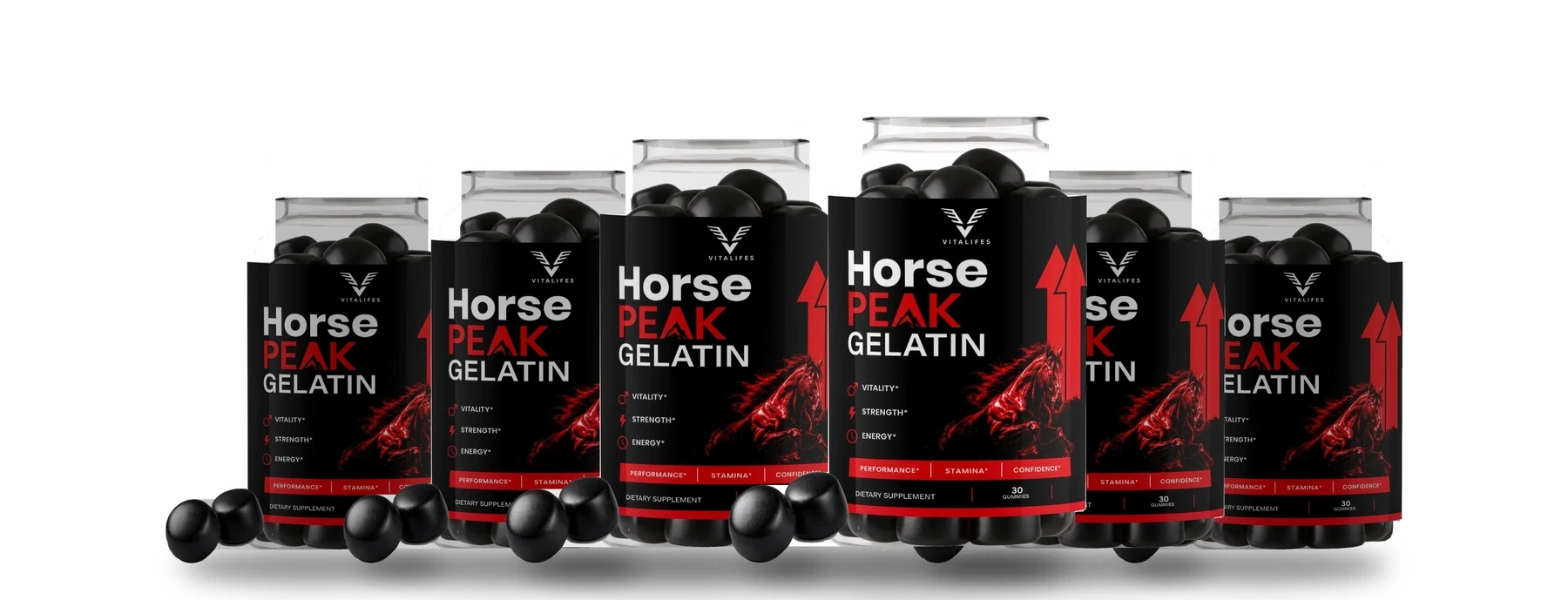
Horse Peak Gelatin Official Website › Blog › As Directed By Your Healthcare Provider
“As Directed By Your Healthcare Provider”: What Six Words Assume
Six words close out the dose line on almost every supplement label sold in the United States, this one included: take one gummy daily, or as directed by your healthcare provider. It reads as a formality. It is actually doing real regulatory work, and it rests on an assumption — that a conversation with a doctor has happened, or will — that the published research says usually has not.
- "As directed by your healthcare provider" is standard dietary-supplement label language, not a phrase specific to this product.
- It exists because supplements are regulated as a category of food, not reviewed and approved by the FDA the way a prescription dose is.
- The clause legally permits a healthcare provider to advise a different amount. It does not mean one has been consulted.
- Published research on patient-physician communication finds a meaningful share of supplement users never disclose that use to any doctor.
- The clause is not decorative, but it only does the work its own wording promises when the conversation it names actually happens.
The clause, word by word
Break the sentence into its two halves and they are doing different jobs. "Take one gummy daily" is the manufacturer's own suggested use, set by the serving size on the Supplement Facts panel. "Or as directed by your healthcare provider" is a permission slip: it tells a buyer that a professional can override the printed number, and it tells a court or a regulator that the label is not claiming its own dose is the only correct one.
That second half is doing real legal work. A 2026 position paper from the American College of Physicians states the underlying fact plainly: "in the United States, dietary supplements are regulated as a subcategory of food and therefore are not required to undergo review and approval by the U.S. Food and Drug Administration." A prescription drug's dose is set through that FDA approval process. A supplement's dose is set by the manufacturer, and the "or as directed" clause is the label's acknowledgment that a manufacturer's own suggested amount is not a clinical prescription.
Why supplement labels carry this wording at all
The Dietary Supplement Health and Education Act treats supplements as a food category with its own labeling rules rather than as drugs. One consequence is that a supplement label can suggest a use without that use having been reviewed for safety and effectiveness the way a drug's dosing instructions are. The "as directed by your healthcare provider" clause is the standard way that gap gets written onto a bottle: it routes any dose adjustment through a professional relationship rather than through the label's own authority, because the label does not have the regulatory standing to set a clinical dose on its own.
That is not a criticism specific to this product. The clause appears on the overwhelming majority of dietary supplement labels sold in the United States, this one included, in close to identical wording, because it is answering the same regulatory question every time.
Who actually counts as "your healthcare provider"
The clause does not define the term, and the honest answer is broader than most people assume. A primary care physician counts. So does a nurse practitioner, a physician assistant, a pharmacist answering a question at the counter, and, depending on the state and the context, a licensed naturopathic or integrative medicine provider. What the clause does not cover is a friend's recommendation, a forum post, or the seller's own sales copy, however confidently any of those are written. The word "healthcare" in the clause is doing real work: it is naming a licensed professional relationship, not general advice from anywhere else.
The conversation the clause assumes, and how often it happens
The clause only functions as intended if a buyer who wants to deviate from the printed serving size actually has the conversation it points to. The published literature on supplement disclosure suggests that conversation is the exception rather than the rule.
A 2017 study titled, in its own words, "mind the gap" examined disclosure of dietary supplement use to hospital and family physicians and found a substantial share of patients using supplements had not told either type of physician about it. A 2019 study looked specifically at what predicts disclosure versus nondisclosure across primary care, integrative medicine and naturopathic settings, and found the decision to disclose depends heavily on whether a patient believes the provider will ask, will care, or will react negatively — not on whether the supplement matters clinically.
| What the label assumes | What the research finds |
|---|---|
| A buyer who wants to exceed or change the dose asks a healthcare provider first | Many supplement users never mention their supplement use to any provider at all |
| A provider who is asked knows what is actually in the product | Providers often learn of use only if the patient volunteers it unprompted |
| The clause functions as a safety check | It only functions when the conversation the clause names actually takes place |
Summarized from the disclosure literature cited above. This is a statement about how often the conversation happens, not a claim about this specific product's safety.
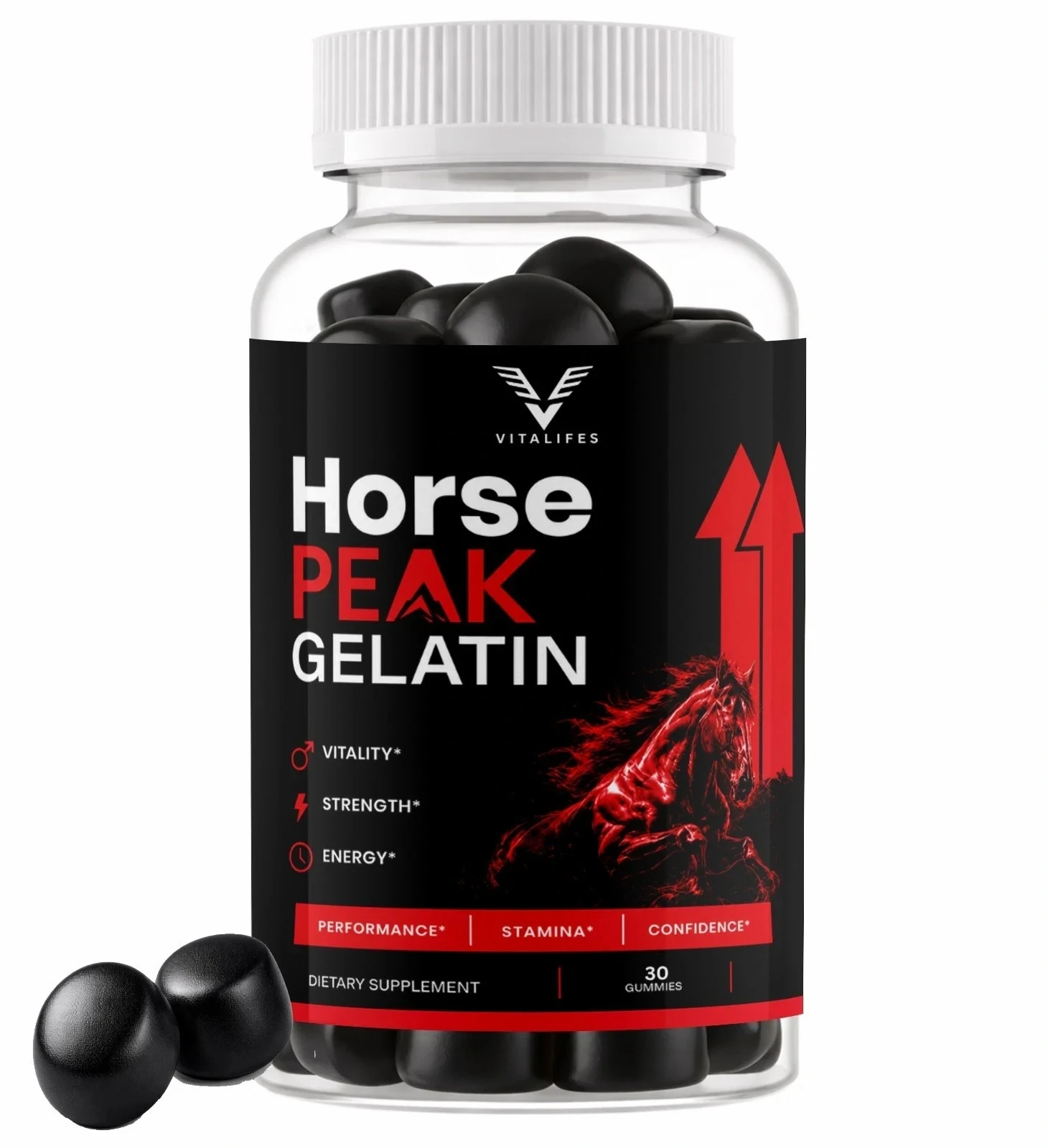
Order Horse Peak Gelatin with the directions line already read
One gummy a day is the manufacturer's own suggested serving. Anything beyond it is a conversation worth having before the second gummy, not after.
Two bottles $158 · six bottles $294 · 60-day money-back guarantee
Order Horse Peak Gelatin On The Official WebsiteOne gummy a day · 30 on the bottle front · lot HOR-26/GO-6588
Why disclosure matters even for an ordinary gummy
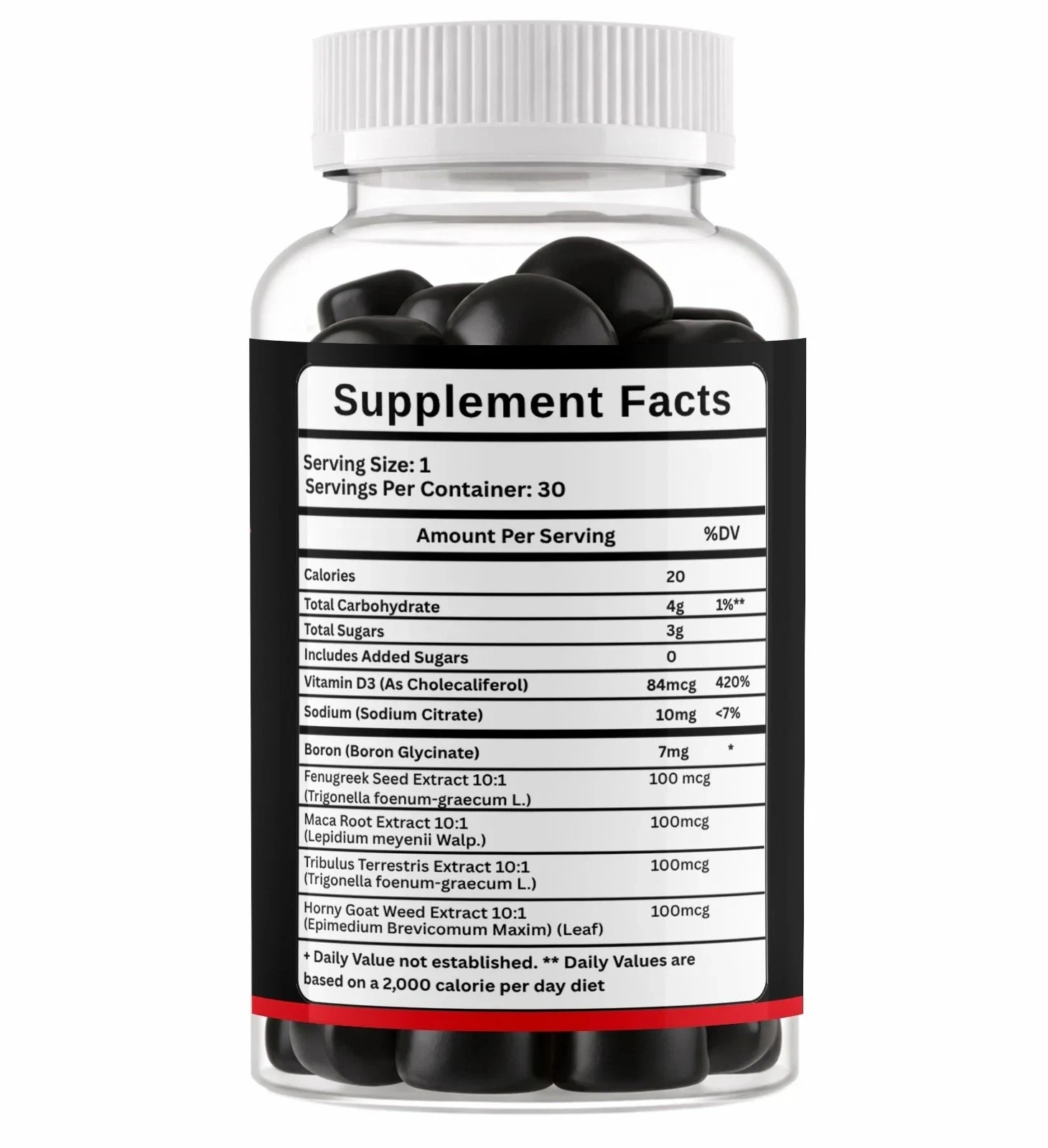
It is tempting to read all of this as relevant only to riskier supplements, and this product's own panel gives real reasons the conversation is still worth having. Vitamin D3 on this label is 84 micrograms, which is 3,360 IU and a meaningful fraction of the adult upper intake level on its own, before anyone adds a separate vitamin D capsule from elsewhere in the cupboard, which this website's own disclaimer flags directly. A provider cannot catch that overlap if they do not know the gummy is being taken.
There is a second, category-wide reason disclosure matters that has nothing to do with this product specifically. A 2018 JAMA Network Open study found undeclared pharmaceutical ingredients behind a meaningful share of FDA supplement warnings, concentrated heavily in exactly this product category: sexual enhancement, weight loss and bodybuilding supplements. A provider who knows what a patient is taking is in a position to flag an unexpected interaction or side effect against that possibility. A provider who does not know cannot.
What this specific label's directions line says
Transcribed as printed: "As a dietary supplement, take one gummy daily, or as directed by your healthcare provider." That is the complete instruction. It does not specify what a provider might reasonably direct instead, does not cap a maximum, and does not name any condition under which the serving size should change. All of that is left, correctly under the clause's own logic, to the professional conversation it names rather than to the label itself.
The National Institutes of Health's own guidance on using dietary supplements wisely states the same expectation from the other direction: "if you're taking a dietary supplement, follow the instructions on the label," and separately urges buyers to "talk with your health care providers about any complementary health approaches you use." Read together with this label's own clause, the guidance and the wording are asking for the same thing: the label sets a default, and a provider is the only party positioned to move a buyer off it responsibly.
What the clause is actually asking a buyer to do
- Take the printed serving as the default. One gummy a day is what the label itself recommends without qualification.
- Bring the bottle, not just the name, to any conversation. A provider working from "a vitality gummy" cannot evaluate what a provider working from this supplement facts panel can.
- Disclose it even if nobody asks. The disclosure research above finds silence is the default, not a deliberate choice most patients are making; naming the supplement first closes that gap without waiting to be asked.
- Treat the clause as a genuine option, not a formality. A provider can direct a different amount for a real clinical reason, most often when a nutrient like vitamin D3 is already being taken from another source.
None of this is a claim that this product is unusually risky. It is the opposite point: six ordinary words carry real weight only when the conversation behind them actually takes place, and the evidence says that conversation is skipped more often than the wording on the bottle assumes.
It is also worth being fair to the clause itself. Six words cannot do more than point at a relationship; they cannot conduct the conversation for anyone, and no amount of label wording fixes a disclosure gap that the research above traces to trust, embarrassment and the belief that a supplement is too minor to mention. The fix is not a longer label. It is a shorter version of the same habit already used for prescription drugs: naming everything in the cupboard at the start of an appointment, gummy included, rather than waiting to be asked about it specifically.
References
- Cline K, Beachy MW, Carr PW; Health and Public Policy Committee of the American College of Physicians. Modernizing the Regulatory Framework for Dietary Supplements: A Position Paper From the American College of Physicians. Ann Intern Med. 2026;179(9):1290-1292. PMID 42441966. https://pubmed.ncbi.nlm.nih.gov/42441966/
- Ben-Arye E, Attias S, Levy I, Goldstein L, Schiff E. Mind the gap: Disclosure of dietary supplement use to hospital and family physicians. Patient Educ Couns. 2017;100(1):98-103. PMID 27516439. https://pubmed.ncbi.nlm.nih.gov/27516439/
- Guzman JR, Paterniti DA, Liu Y, Tarn DM. Factors Related to Disclosure and Nondisclosure of Dietary Supplements in Primary Care, Integrative Medicine, and Naturopathic Medicine. J Fam Med Dis Prev. 2019;5(4). https://pubmed.ncbi.nlm.nih.gov/32051918/
- Tucker J, Fischer T, Upjohn L, Mazzera D, Kumar M. Unapproved Pharmaceutical Ingredients Included in Dietary Supplements Associated With US Food and Drug Administration Warnings. JAMA Netw Open. 2018;1(6):e183337. PMID 30646238. https://pubmed.ncbi.nlm.nih.gov/30646238/
- Using Dietary Supplements Wisely. National Center for Complementary and Integrative Health, National Institutes of Health. https://www.nccih.nih.gov/health/using-dietary-supplements-wisely
More about Horse Peak Gelatin
Order Horse Peak Gelatin and read the directions line first
One gummy a day, or as directed by your healthcare provider — and now you know what both halves of that sentence are actually doing.
Two bottles $158 · six bottles $294 · 60-day money-back guarantee
Order Horse Peak Gelatin On The Official WebsiteOne gummy a day · 30 on the bottle front · lot HOR-26/GO-6588